

Comparing Anthracite Vertical and Horizontal Radiators
Anthracite radiators, often referred to as anthracite grey radiators, are known for their sleek and modern appearance. The term "anthracite" refers to a shade of dark grey, reminiscent of the natural coal from which it derives its name. This sophisticated hue makes anthracite radiators a popular choice for those looking to add a contemporary touch to their interiors. These radiators are available in various designs, including both vertical and horizontal orientations, and are favored for their ability to complement contemporary interior designs. The versatility in design means that homeowners can select from an array of styles that best fit their personal taste and room décor.
Beyond aesthetics, anthracite radiators are engineered for performance. They are constructed from materials that optimize heat retention and distribution, ensuring efficient operation. The finish not only provides a modern look but also offers durability and resistance to scratches and wear. Whether you're renovating a modern apartment or a classic home, anthracite radiators can be seamlessly integrated into various architectural styles, making them a versatile choice for any room.

Vertical vs. Horizontal Radiators: Key Differences
When deciding between vertical and horizontal radiators, it's important to consider several factors, including space, heat output, and design preferences. Each type has its own set of advantages, which can significantly impact your home's heating efficiency and aesthetic appeal.
Space Considerations
One of the primary differences between vertical and horizontal radiators is how they utilize space, which can greatly influence the overall layout and functionality of a room.
-
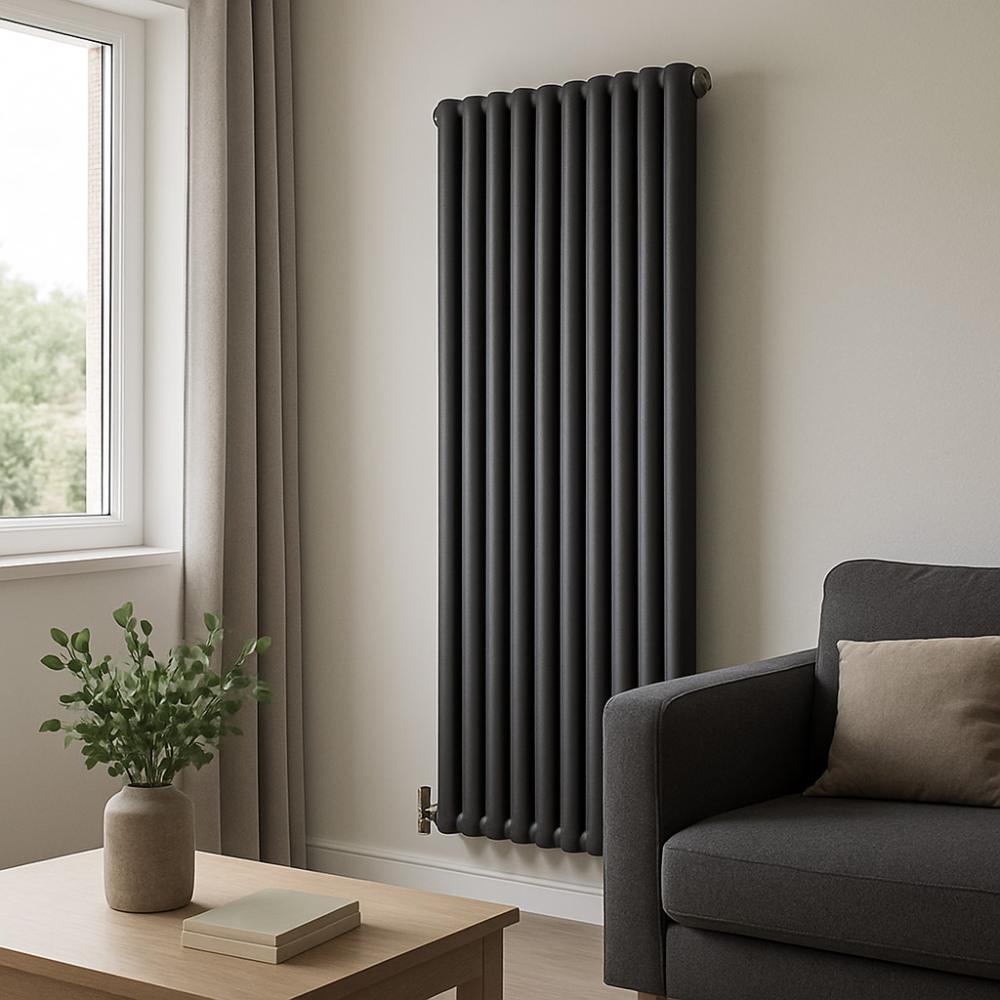
Vertical Radiators: Ideal for rooms with limited wall space, vertical radiators, such as grey tall radiators, make efficient use of vertical wall space, freeing up more room for furniture and other décor elements. They are perfect for narrow spaces, like hallways or small bathrooms, where floor and wall space may be at a premium. Their slim profile allows them to be installed in areas that might otherwise be unusable for heating, offering a practical solution without compromising on style.
-
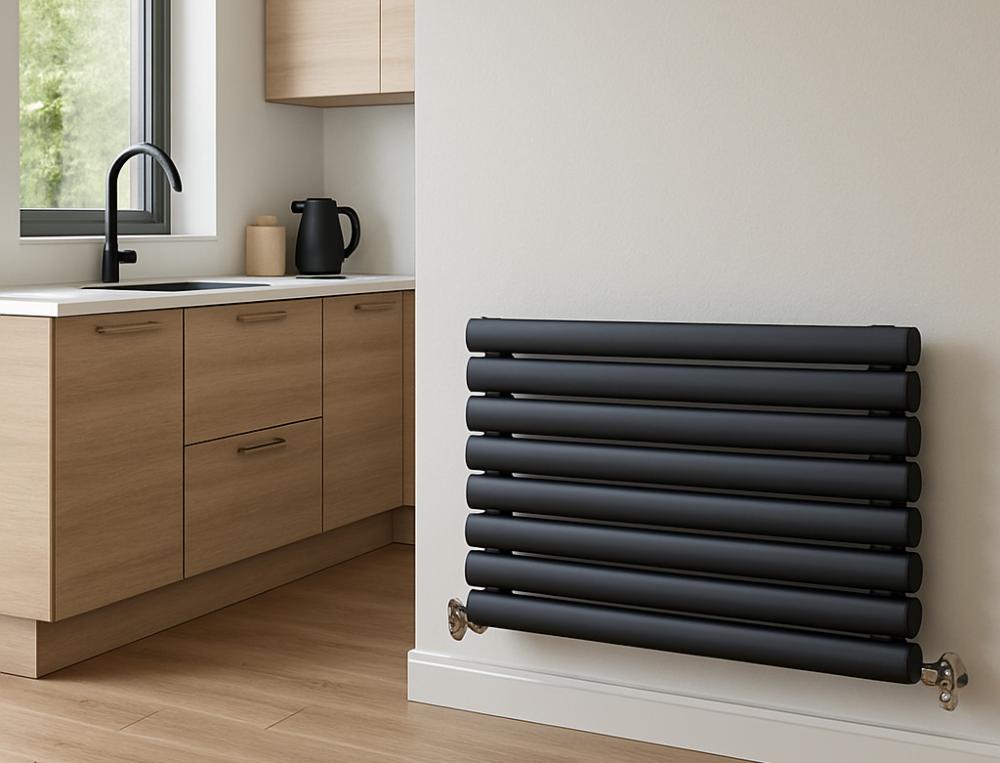
Horizontal Radiators: These are the traditional choice and are often positioned under windows to combat cold drafts. If you have ample horizontal wall space, these radiators can be a practical choice without compromising on heat distribution. Their placement under windows also helps in maximizing heat efficiency by counteracting the cold air that can seep through glass. Moreover, horizontal radiators can double as shelves or storage when installed with the right accessories, adding functionality to their heating role.
Heat Output
Heat output is another critical consideration when choosing a radiator. Measured in British Thermal Units (BTUs), the heat output required depends on the size of the room and the level of insulation. Understanding your specific heat requirements is essential to ensure comfort and efficiency.
-
Vertical Radiators: Despite their tall and slim design, vertical radiators offer impressive heat output, suitable for larger rooms. However, they might not always provide the same level of heat distribution as their horizontal counterparts, especially in wider spaces. They are best suited for rooms where the height can be used to advantage, allowing the heat to rise and circulate effectively. With modern designs, vertical radiators can be equipped with advanced technology to enhance their heating capabilities.
-
Horizontal Radiators: Known for even heat distribution, horizontal radiators can be more effective in uniformly heating a room, particularly in spaces where the radiator spans a significant portion of a wall. Their design ensures that heat is spread evenly across the room, reducing cold spots and maintaining a consistent temperature. This characteristic makes them a preferred choice for larger living areas or rooms with expansive wall space where a balanced heating approach is necessary.

Design and Aesthetics
The visual appeal of your radiator can significantly impact the overall look of your room. Choosing a radiator that complements your interior design can transform a functional element into a stylish focal point.
-
Vertical Radiators: These radiators serve as a statement piece, drawing the eye upward and adding a touch of modern elegance. They are available in a variety of styles and finishes, including the popular grey vertical radiator, which can act as a bold design feature. The vertical design can create the illusion of height, making rooms appear taller and more spacious. With a range of textures and finishes available, vertical radiators can easily be matched with other design elements to create a cohesive look.
-
Horizontal Radiators: While traditionally more understated, horizontal radiators are now available in designer styles, such as the anthracite designer radiator, which combines functionality with aesthetic appeal. These radiators can blend seamlessly into a room's décor or stand out as a decorative element, depending on the chosen design. Whether opting for a classic or contemporary style, horizontal radiators can be customized to fit the specific aesthetic requirements of any space.
Choosing the Right Radiator for Your Space
When selecting between anthracite vertical and horizontal radiators, consider the specific requirements of your space and your personal design preferences. The right choice will depend on a combination of factors, including room dimensions, heating needs, and stylistic goals.
Room Size and Layout
Assess the size and layout of your room. Vertical radiators are advantageous in tight spaces or rooms with high ceilings, while horizontal radiators are ideal for rooms with ample wall space or under-window installation. Consider how the radiator will fit into the room’s existing layout and what changes, if any, might be necessary to accommodate it. The choice between vertical and horizontal often comes down to balancing space efficiency with heating effectiveness.
Heat Requirements
Calculate the BTU requirements for your room to ensure your radiator choice provides adequate heating. This calculation should factor in room size, ceiling height, and window size. Consulting with a professional can help you determine the precise heating output needed for optimal comfort. By selecting a radiator with the correct BTU rating, you can ensure efficient energy use and maintain a comfortable temperature throughout your home.
Style Preferences
Consider the style and color scheme of your room. If you're looking for a contemporary touch, a graphite radiator or an anthracite designer radiator can add a sleek, modern look. The color and finish of your radiator should complement other elements in the room, such as furniture and wall colors, to create a harmonious design. Explore different textures and materials to find a radiator that not only meets your functional needs but also enhances the visual appeal of your space.

by - Kenny (https://unsplash.com/@kennyzhang29)
Installation and Maintenance
Both vertical and horizontal radiators are relatively easy to install, but it's always recommended to consult with a professional plumber to ensure optimal performance. Proper installation ensures that the radiator functions efficiently and safely. Regular maintenance will keep your radiators running efficiently and prolong their lifespan. This includes checking for leaks, bleeding the radiators to remove trapped air, and ensuring that the valves are functioning correctly. Regular care will help maintain the efficiency and appearance of your radiator, providing reliable heating for years to come.
Conclusion
In conclusion, both anthracite vertical and horizontal radiators offer distinct advantages depending on your needs. Vertical radiators are perfect for saving space and adding a modern flair, while horizontal radiators provide excellent heat distribution and fit seamlessly under windows. Each type has its own unique benefits, making them suitable for different room configurations and personal preferences.
By evaluating your space, heat requirements, and design preferences, you can choose the radiator that best meets your needs and enhances your home's aesthetic appeal. Whether you opt for the striking look of a grey vertical radiator or the classic style of an anthracite horizontal radiator, you'll enjoy both warmth and style in your living space. Ultimately, the right radiator will not only fulfill your heating needs but also contribute to the overall ambiance and comfort of your home.
Comment(s)